
MAINTENANCE FOR CAR
Car maintenance includes changing fluids (engine oil, transmission oil, brake fluid, differential oil, power steering oil, coolant, etc.), new tires, changing air filters, brake pads and rotors, checking and replacing drive and timing belts etc…
SAFETY
Properly maintained vehicles are safer to drive. Regular maintenance helps to clear up potential problems with important components such as brakes and tires etc., which affect the vehicle’s driving performance and overall safety. For example, tires with inadequate grooves can increase the risk of accidents, such as slipping more easily or the possibility of bursting.
RELIABILITY
Regular maintenance helps prevent unexpected breakdowns and keep your vehicle in good condition. Addressing potential problems at an early stage, such as replacing worn belts or fixing fluid leaks, can reduce the likelihood of sudden breakdowns that leave you stranded or require expensive repairs.
LONGEVITY
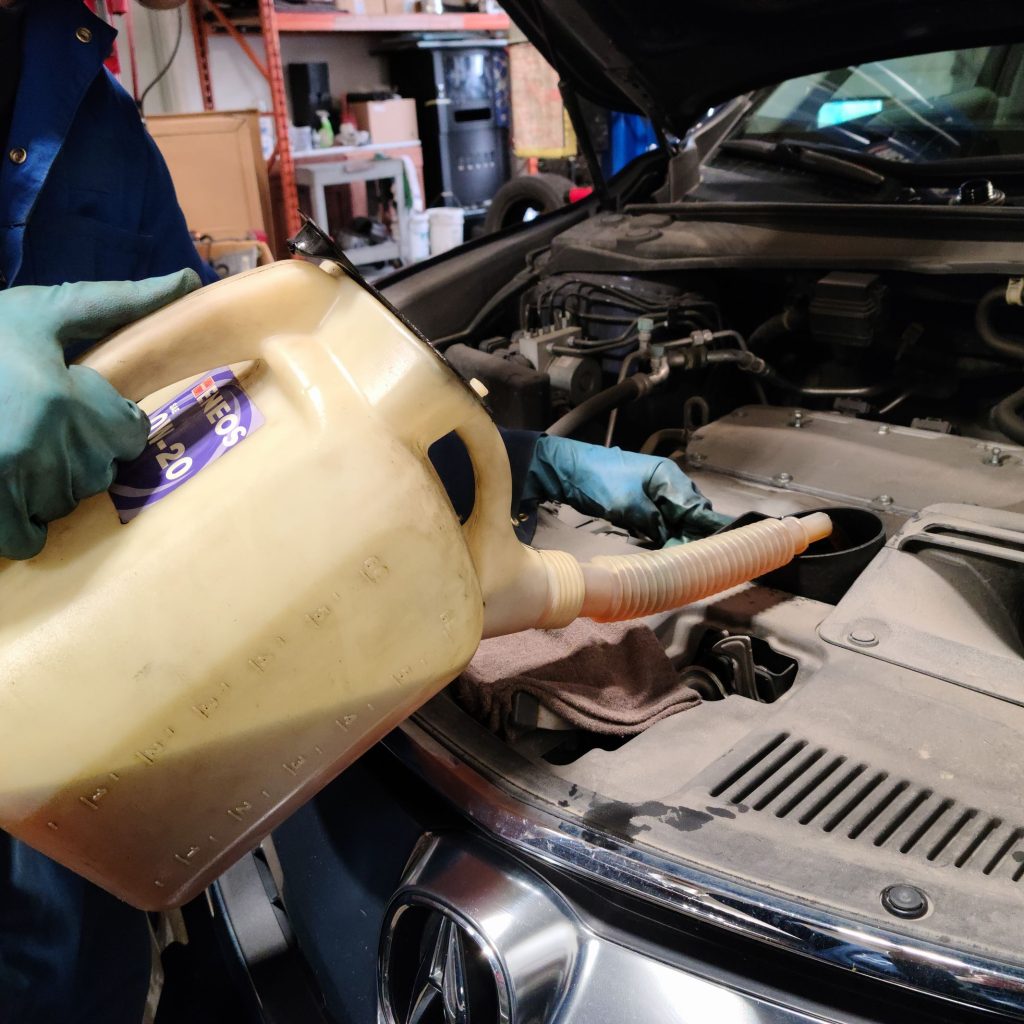
Well-maintained vehicles tend to have a longer lifespan. For example, regular oil changes keep the engine clean and properly lubricated. This in turn reduces wear and tear on internal components. In addition, following the minimum required manufacturer-recommended maintenance schedule (depending on the mileage) can significantly extend the life of the vehicle.
OPTIMAL PERFORMANCE
Regular maintenance ensures that your vehicle performs to the best of its ability. Clean air filters, properly inflated tires and well-maintained engine components contribute to optimum fuel efficiency and engine power. Neglected maintenance can lead to poor performance, reduced fuel efficiency and even engine damage.
RESALE VALUE
If you plan to sell or trade in your vehicle in the future, well-maintained vehicles generally have a higher resale value. Prospective buyers are often willing to pay more for a vehicle with a documented maintenance history. This is because it gives them peace of mind that the vehicle has been cared for and is less likely to have hidden problems.